Disclosure: Some products linked within this chest strap versus optical heart rate accuracy guide for 2026 are affiliate links; we maintain full editorial independence and
As an Amazon Associate I earn from qualifying purchases.
Chest straps are generally more accurate for rapidly changing exercise heart rate because they detect the heart’s electrical signal. Optical sensors estimate pulse from changes in blood flow using light, making them more convenient but more vulnerable to motion, cold, skin contact, and placement. For steady aerobic exercise, a well-fitted modern optical sensor may be entirely sufficient.
Quick answer
Use a chest strap for intervals, sprinting, cycling, rowing, fitness testing, and workouts where accurate zone timing affects the session. Use wrist optical heart rate for daily tracking, sleep, easy runs, and maximum convenience. An optical armband offers a valuable middle ground: more comfortable than a chest strap and often more stable than the wrist.
No consumer sensor is a diagnostic ECG. Irregular readings or symptoms such as chest pain, fainting, unusual breathlessness, or persistent palpitations require medical evaluation.
How chest straps work
Conductive electrodes in the textile strap contact damp skin and detect electrical activity associated with each heartbeat. The sensor calculates beat timing and broadcasts heart rate through Bluetooth, ANT+, or another supported protocol. This method responds quickly when intensity rises or falls.
Good contact is essential. Dry electrodes at the beginning of a cold run may show implausible spikes, while a loose strap can move or lose signal. Water or electrode gel, correct tension, clean fabric, and a fresh battery solve many problems.
Chest straps can also provide beat-to-beat intervals useful for compatible HRV applications. Consumer recordings still require careful protocols and should not be treated as a medical-grade multi-lead ECG.
How optical sensors work
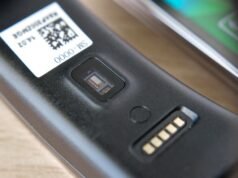
Photoplethysmography shines LEDs into tissue and measures reflected-light changes as blood volume pulses. Algorithms filter movement and estimate beats. Watches provide all-day convenience; arm sensors move the optical module to a fleshier, less articulated location.
Optical performance depends on LED wavelength, sensor design, algorithm, skin contact, circulation, and motion. Dark tattoos, hair, loose fit, cold skin, gripping weights, trail vibration, and repeated wrist flexion can degrade readings. Skin tone should be considered in device validation, although individual fit remains important for everyone.
Accuracy during steady exercise
During an easy run, walk, or steady indoor ride, heart rate changes gradually. A secure modern watch often tracks closely enough for pacing broad zones and recording trends. Small delays matter little if the target lasts 30 minutes.
The sensor should sit above the wrist bone, snug enough not to slide but not painfully tight. Warm up to improve blood flow. Compare trends over several sessions rather than judging one isolated point against gym-machine handles.
For general health and calorie trends, consistency is usually more useful than perfect second-by-second agreement. Calorie expenditure remains an estimate even with accurate heart rate.
Intervals and rapid changes
Chest straps have their clearest advantage during short repetitions. Electrical detection follows rapid rises and recoveries with less algorithmic delay. A wrist sensor may smooth the signal, lock onto running cadence, or display a peak after the interval has ended.
This matters when a session prescribes two-minute repeats by heart rate. Because heart rate naturally lags effort, optical delay adds another layer. Pace, power, or perceived effort may be better for very short intervals, with chest heart rate used to analyze the response afterward.
Running
Optical watches work well for many steady road runs. Problems often appear in winter, during steep hill repeats, or when the watch bounces. Cadence lock occurs when the algorithm mistakes rhythmic motion for pulse, producing a reading close to step rate.
A chest strap reduces those errors but can chafe on long hot runs or slip under certain body shapes. Lubricating friction points, adjusting tension, and choosing a suitable strap help. Sports bras with sensor compatibility can improve comfort for some runners.
Cycling and rowing
Wrist extension and handlebar pressure can reduce optical signal while cycling, and road vibration adds noise. Chest straps tend to remain stable and pair easily with bike computers. An optical armband placed on the upper forearm or arm is a comfortable alternative.
Rowing repeatedly bends the wrist and grips the handle, challenging watch sensors. Chest or arm placement is usually more reliable. Pair directly with the rowing monitor or recording app using the correct protocol.
Strength and functional training
Gripping, wrist flexion, kettlebell contact, and rapid exercise changes make wrist optical readings inconsistent. Chest straps respond better physiologically but can be compressed by benches, front racks, or floor movements. Burpees and straps under tight clothing may cause movement.
An optical armband often offers the best compromise for circuit training. Heart rate is also a limited measure of strength-training load; it cannot quantify mechanical tension or technique. Do not make a low heart-rate set harder merely to increase a cardio score.
Swimming
Water absorbs radio signals, so live transmission depends on sensor, watch, protocol, and body position. Some chest straps store data and transfer it after the swim; others use low-frequency communication with compatible receivers. Wrist optical sensing may operate underwater on supported watches, but stroke motion and water between skin and sensor can affect it.
Check the complete workflow, not just a water-resistance rating. A strap may survive the pool yet fail to transmit live through water. Rinse equipment after chlorine or salt exposure.
Comfort and adherence
The most accurate sensor is unhelpful if left in a drawer. Watches require no extra garment and automatically capture daily and sleep trends. Optical armbands are easy to forget on the arm but need charging. Chest straps require wetting, fitting, rinsing, and occasional battery replacement.
Chest pressure can feel restrictive and may chafe. Optical devices can irritate skin if worn too tightly or left wet. Clean according to instructions, let skin and straps dry, and rotate placement when appropriate.
Battery and maintenance
Chest straps commonly use replaceable coin cells that last hundreds of hours. Detaching removable pods, rinsing textile straps, and washing them as directed reduces corrosion and salt buildup. Use the exact battery type because similar coin cells can differ in thickness.
Optical armbands and watches use rechargeable batteries. LED sampling, always-on displays, and GPS increase drain. Charge before important sessions and keep optical windows clean and unscratched.
Connectivity
Bluetooth is common on phones, watches, and gym equipment. ANT+ can broadcast one sensor to several receivers and remains popular in cycling. Some products allow only one Bluetooth connection; others permit two or three. Confirm simultaneous connections if recording on a watch and app while displaying on equipment.
Pair sensors in the app or device’s sensor menu rather than relying only on generic phone settings. Duplicate pairings can cause one app to capture the connection unexpectedly.
HRV and recovery measurements
For short, controlled HRV readings, electrical chest straps can provide high-quality beat intervals when supported and worn correctly. Wrist devices often estimate overnight HRV using proprietary sampling and filtering. Their trends can be useful inside one ecosystem but may not match a morning chest-strap protocol.
Keep posture, time, breathing, and measurement duration consistent. Alcohol, illness, sleep, training, and stress all affect HRV. A single low score should not dictate a major decision.
Which should you buy?
Buy a chest strap if heart rate governs intervals, you train on a bike or rower, or you need dependable rapid response. Polar H10 emphasizes broad connectivity and a replaceable strap; Garmin HRM-Pro Plus adds Garmin-specific running and activity features.
Use wrist optical if convenience and 24-hour trends matter most. Choose an optical armband if chest comfort is unacceptable but workout accuracy needs improvement. Verify compatibility before buying.
Final verdict
Chest straps remain the accuracy standard for dynamic exercise, while optical heart rate wins on convenience. The gap can be small during steady work and large during rapid intervals or high-motion activities.
Match the sensor to the decision. If a few delayed beats change nothing, wear the watch. If they change pacing, zone time, or test results, use a chest strap.
Frequently asked questions
Are chest straps always accurate?
No. Dry electrodes, poor fit, static, corrosion, and low batteries can cause errors.
Is an optical armband better than a watch?
Often during exercise because placement is more stable, but performance varies by person and activity.
Can heart-rate sensors detect heart disease?
Consumer exercise sensors are not substitutes for medical diagnosis. Seek care for symptoms or concerning patterns.
Why does my watch match my running cadence?
It may be cadence lock, where motion is mistaken for pulse. Tighten or reposition the watch, warm up, or use a chest strap.